
RD's Turf Tips
Common faq for lawn care
- RD's Total Lawn
- February 13, 2026
Latest News & Article
Stay Informed with the Latest Lawn Care Tips & Updates
Lawn Fertilizer & Weed Control FAQs for Langhorne & Bucks County Homeowners
If you live in Langhorne or anywhere in Bucks County, you know Northeast lawns can be unpredictable. Between seasonal weeds, changing weather, pets, and heavy foot traffic, maintaining a healthy lawn takes more than just mowing.
At RD’s Total Lawn, we get asked the same important questions every season about fertilizer, weed control, and lawn care safety. Below are the most common homeowner questions — answered clearly — so you know exactly what to expect from professional lawn treatments in our area.
Learn about our Fertilizer Program to see how RD’s Total Lawn can keep your lawn healthy year-round.

Why Your Lawn Needs Lime This Season
November 13, 2025
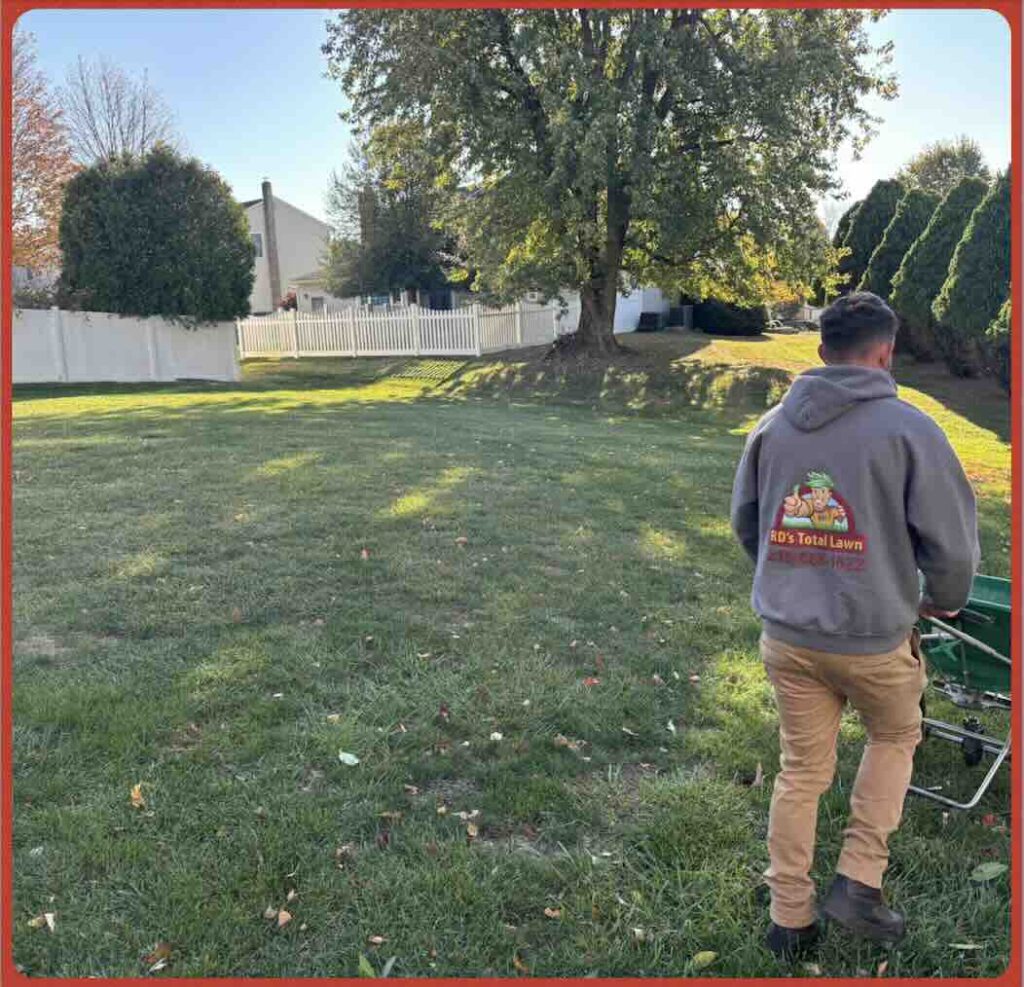
Is Lawn Fertilizer and Weed Control Safe for Pets?
Yes — when applied correctly, professional lawn fertilizer and weed control treatments are pet-friendly.
Granular products are safe immediately. For liquid applications, we recommend waiting 1–2 hours until the treatment dries before allowing pets back onto the lawn.
This drying window ensures the product settles into the turf — which is especially important for families throughout Langhorne and Bucks County with active pets and children.
How Long Does It Take to See Lawn Treatment Results?
Lawn improvement is a process — not an overnight fix.
If your lawn is thin, weed-heavy, or stressed from previous neglect, it may take 12–18 months of consistent treatments to see a full transformation. Northeast lawns respond best to seasonal programs timed around soil temperature and weed cycles.
Each visit strengthens turf density, which naturally crowds out weeds common to Bucks County lawns.
What If My Dog Eats Grass After Treatment?
Our lawn care products are designed with safety in mind. However, pets ingesting grass before treatments fully absorb could experience mild stomach irritation.
Waiting 1–2 hours after liquid treatments ensures everything has properly settled into the soil.
Do You Offer Organic Lawn Care in Bucks County?
At this time, RD’s Total Lawn focuses on professional-grade fertilizer and weed control programs proven to work in Pennsylvania’s climate.
Organic-only options tend to be more costly and less effective against aggressive Northeast weeds. We continue monitoring advancements and may revisit this in the future.
Will Lawn Treatments Eliminate All Weeds?
Professional weed control significantly reduces and prevents the most common Bucks County weeds — but lawn health is a partnership. Results also depend on:
- Proper mowing height
- Consistent watering
- Sun exposure
- Soil conditions
We educate homeowners across Langhorne on how to support treatments for the best outcome.
What Weeds Are Common in Langhorne & Bucks County Lawns?
Our fertilizer and weed control program targets weeds frequently found in Northeast Pennsylvania lawns, including:
- Dandelion
- Clover
- Chickweed
- Ground ivy (creeping Charlie)
- Crabgrass
- Goosegrass
- Poa annua
- Sedges
These weeds thrive in thin turf and compacted soil — conditions common after winter or heavy summer stress.
Why Do I Still See Weeds After Treatment?
Weed control takes time. Some weeds require multiple visits to fully die off, especially mature infestations.
As turf thickens with consistent fertilization, your lawn naturally becomes more resistant to future weed pressure — a major benefit for Bucks County properties exposed to seasonal seed spread.
What Happens If It Rains After Lawn Treatment?
Light rain is helpful and moves nutrients into the soil.
We monitor weather closely and avoid treating when heavy storms could cause runoff — protecting both your lawn investment and the local environment.
Should I Water After Lawn Fertilization?
Watering isn’t required but can support nutrient absorption.
If watering, early morning is best. Avoid evening watering to reduce disease risk — especially during humid Pennsylvania summers.
Should I Mow Before or After Lawn Treatment?
Mowing before treatment is ideal.
If mowing afterward, wait 24 hours to allow products to settle evenly. Proper mowing height is critical for healthy turf in Bucks County’s changing seasons.
Can Lawn Fertilizer Burn My Grass?
Fertilizer burn occurs when products are misapplied. Our trained technicians apply treatments precisely for Northeast lawn conditions. DIY applications should always follow label instructions carefully.
Do You Offer Soil Testing for Bucks County Lawns?
Yes — soil testing is available upon request.
Testing identifies nutrient imbalances common in Pennsylvania soil, allowing us to tailor treatments for healthier, greener turf.
Why Professional Lawn Care Matters in Langhorne & Bucks County
Northeast lawns face unique challenges:
- Freeze/thaw cycles
- Seasonal weed pressure
- Summer drought stress
- Soil compaction
A professional fertilizer and weed control program ensures treatments are timed correctly for local conditions — saving homeowners time, frustration, and guesswork.
Healthy lawns don’t happen by accident — they’re built season by season.
Ready for a Healthier Lawn?
📞 Call or Text: 215-688-1622
🌐 Visit: www.RDTotalLawn.com
If you’re in Langhorne or anywhere in Bucks County, RD’s Total Lawn provides professional fertilizer and weed control programs designed for our local climate.
A thick, green lawn starts with the right plan — and we’re here to help.
For more details about our lawn care programs and company, visit: https://www.rdtotallawn.com/

Top 3 Summer Turf Tips
July 11, 2025
Latest News & Article
Stay Informed with the Latest Lawn Care Tips & Updates

Where to start to get a Green and Weed Free Lawn?
February 26, 2025
The importance of Pre-Emergent and Forsythia blooming signs
March 28, 2025

How to do some Spot Seeding
May 9, 2025

Top 3 Summer Turf Tips
July 11, 2025
When’s the best time of day to water my lawn?
August 26, 2025

How to do some Spot Seeding
May 9, 2025