Turf Tips: The Summer Triple Threat for a Thick, Lush Lawn in Bucks County
It’s hands-down one of the most common questions we get at RD’s Total Lawn—and for good reason. The truth is… a green, weed-free lawn may be more affordable than you think…
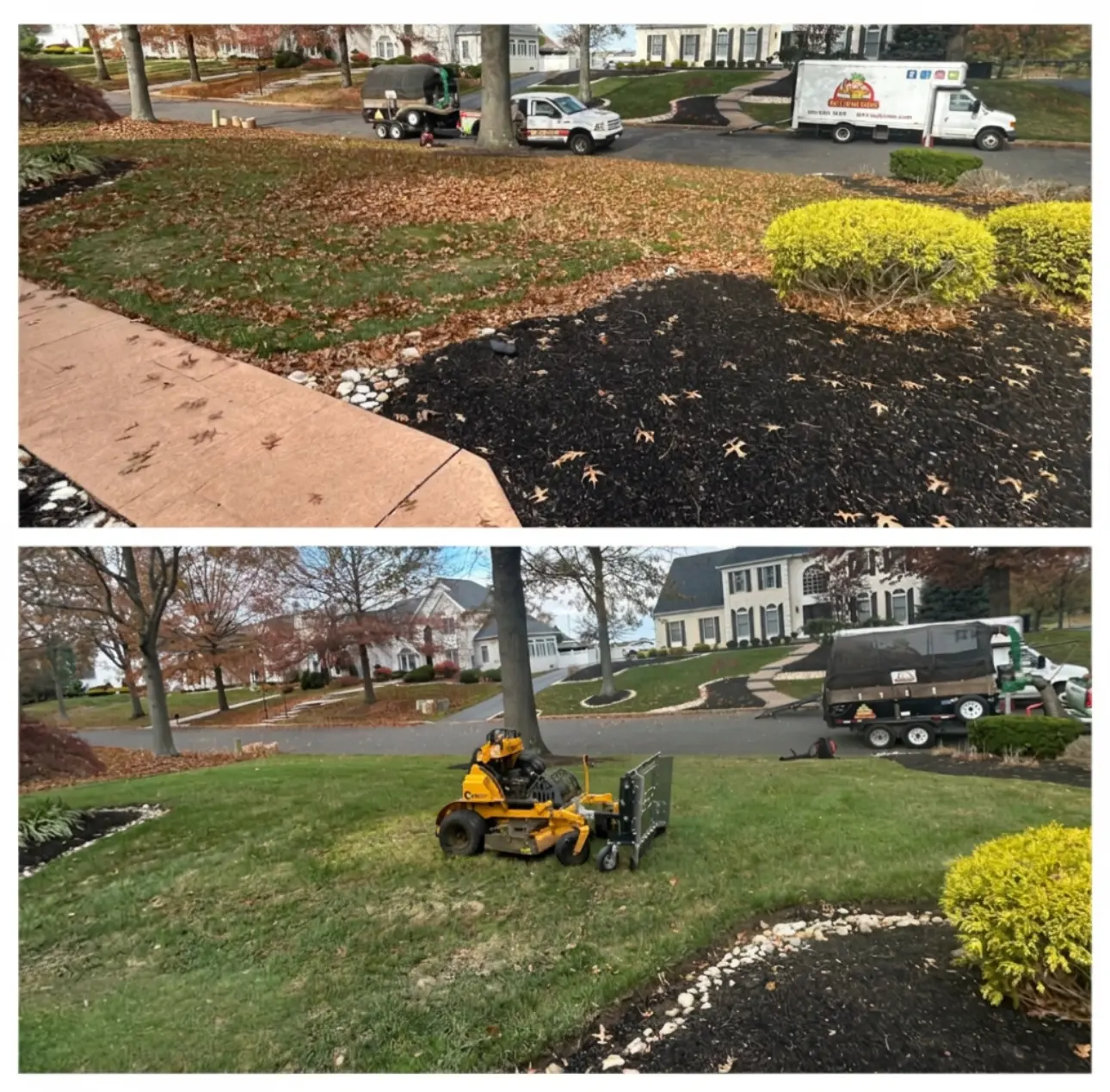
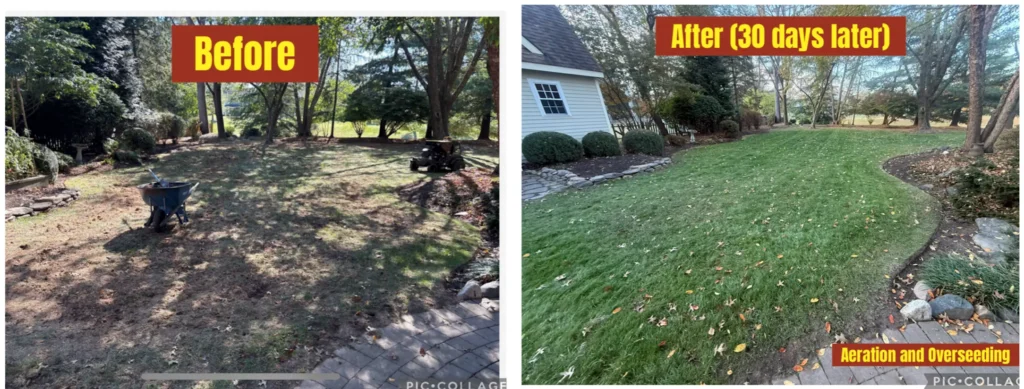
Fall is one of the most important seasons for lawn care in Pennsylvania. After months of heat, foot traffic, mowing, and summer stress, many lawns are left compacted, thin, or covered with bare patches.
Fortunately, fall provides an excellent opportunity to help your lawn recover.
For the cool-season grasses commonly found throughout Bucks County—especially turf-type tall fescue—the cooler temperatures and increased moisture of September and October create ideal conditions for aeration and overseeding.
Here are answers to some of the most common questions we receive about fall aeration and overseeding.
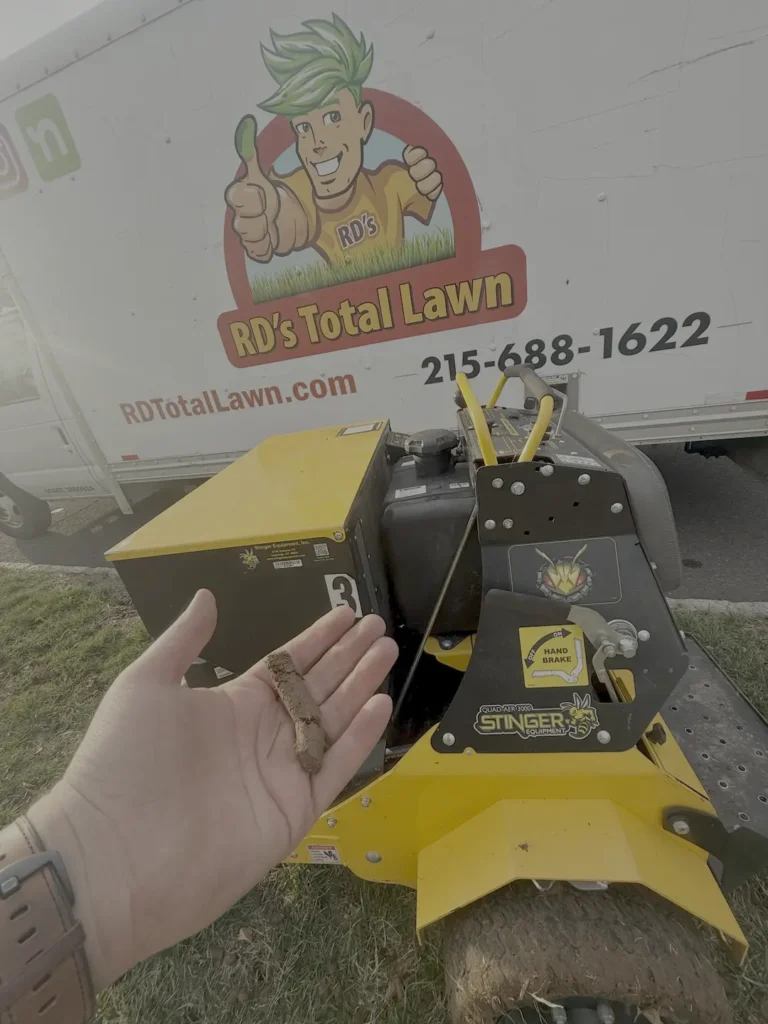
Core aeration is the process of mechanically removing small plugs of soil and thatch from your lawn. These openings allow air, water, fertilizer, and other nutrients to move more easily into the soil and reach the turf’s root system.
Core aeration can help:
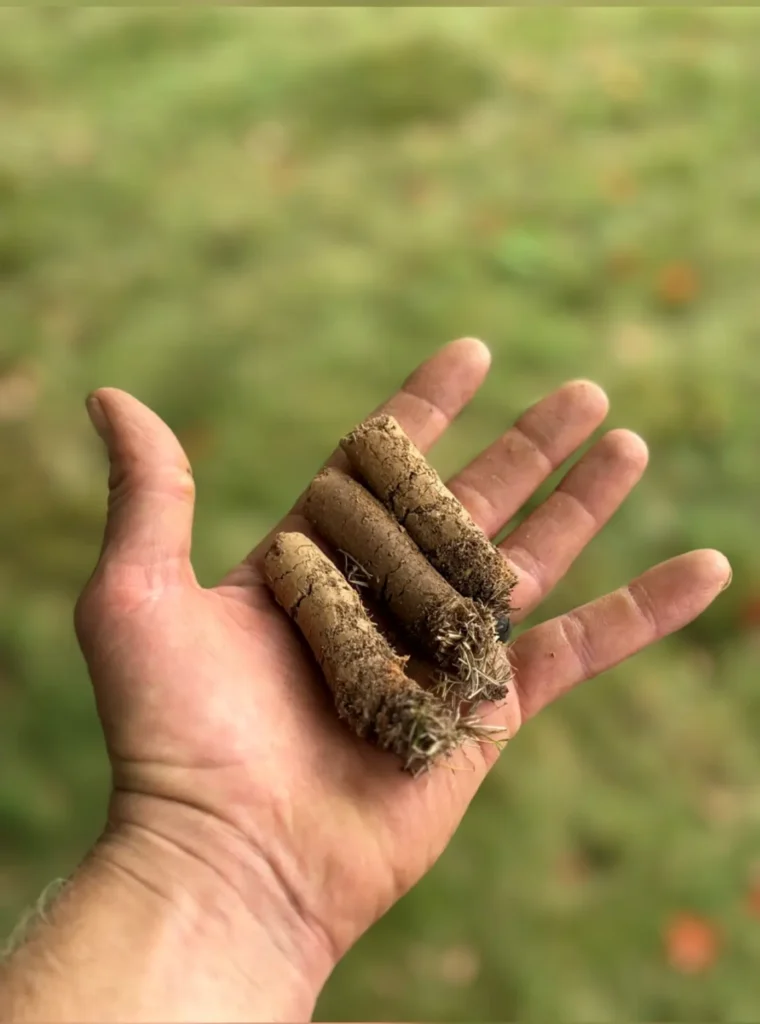
The plugs left behind may look unusual at first, but they are beneficial. Allow them to remain on the lawn, where they will naturally break apart and return nutrients to the soil.
Pennsylvania lawns are primarily made up of cool-season grasses. These grasses grow best when daytime temperatures begin to moderate and the nights become cooler.
Fall offers several major advantages:
Grass seed needs moisture and favorable soil temperatures to germinate. The combination of warm soil and cooler air during early fall creates an excellent environment for new grass growth.
New grass planted in the spring has limited time to establish before facing Pennsylvania’s hot, humid summer weather. Seed planted in the fall has more time to develop roots before the following summer.
Many aggressive weeds begin slowing down in the fall. This gives new grass seedlings a better opportunity to fill thin areas without competing against as much active weed growth.
Fall-seeded grass can begin developing before winter and continue maturing during favorable periods in the spring. A stronger root system gives the lawn a better chance of handling heat and drought the following year.
Aeration and overseeding work extremely well together because grass seed needs good contact with the soil to germinate successfully.
Spreading seed across a compacted lawn or heavy layer of thatch can leave too much seed sitting on the surface. It may dry out, wash away, or become food for birds before it has an opportunity to grow.
Aeration creates thousands of openings where seed can settle closer to the soil. This improved seed-to-soil contact can increase germination and help new grass establish more effectively.
Aeration improves the growing environment, while overseeding introduces fresh grass into thin and bare areas. Together, they help create a thicker, healthier lawn.
A lawn can be aerated in the spring, especially when the soil is heavily compacted. However, fall is usually the better season when overseeding is also needed.
There are two primary reasons:
First, spring is an important time for applying crabgrass pre-emergent. This treatment creates a barrier designed to prevent unwanted seeds from germinating—but it can also interfere with the germination of desirable grass seed.
Second, grass planted in the spring has a relatively short window to develop roots before summer heat arrives. Young seedlings with shallow roots are more likely to struggle during periods of heat and drought.
Spring seeding may still be appropriate in certain situations, such as repairing damaged or completely bare areas. For most Pennsylvania lawns, however, fall provides the best opportunity for long-term success.
A little preparation can make the service safer and more effective.
Mow your lawn shortly before aeration and overseeding. Avoid leaving the grass unusually long because you will need to wait before mowing again after the seed is applied.
The soil should be slightly moist—not soaked—when it is aerated. If conditions have been extremely dry, watering the lawn one or two days before service can help the aerator pull better soil cores.
Clearly mark anything located near the surface, including:
Homeowners are responsible for identifying and marking private underground systems that may not be included through public utility-marking services.
New grass seed must remain consistently moist during germination. Before scheduling your service, make sure you have a practical plan for watering the seeded areas.
Immediately after aeration, you will see soil plugs throughout the lawn. Do not rake or remove them. They will gradually break down after watering, rainfall, and mowing.
For the best overseeding results:
Watering needs will vary depending on rainfall, temperature, soil conditions, and sun exposure. The goal is consistent moisture without flooding the lawn or washing the seed away.
One of the best natural defenses against weeds is a thick, healthy stand of turfgrass.
When a lawn contains thin or bare areas, weeds have open space to germinate and spread. Overseeding helps fill those openings with desirable grass. Aeration supports the roots and improves the soil environment beneath it.
Fertilizer and weed control are important, but they cannot replace missing turf. Establishing a strong foundation of grass should be one of the first priorities when improving a struggling lawn.
Fall aeration and overseeding can help your lawn recover from summer damage, improve thin areas, develop stronger roots, and prepare for healthier growth next spring.
Timing matters, and the fall service schedule can fill quickly. If your lawn is compacted, thinning, or developing bare areas, now is the time to begin planning.
RD’s Total Lawn proudly provides professional aeration and overseeding services throughout Langhorne, Yardley, Levittown, Newtown, Bensalem, Fairless Hills, Feasterville, Trevose, and surrounding communities in Bucks County and Montgomery County, Pennsylvania.
Call RD’s Total Lawn today at (215) 688-1622 to schedule your FREE lawn evaluation.
RD’s Total Lawn
Big enough to deliver… small enough to care.
Proudly serving Langhorne, Yardley, Levittown, Newtown, Bensalem, and surrounding Bucks County communities
Stay Informed with the Latest Lawn Care Tips & Updates

It’s hands-down one of the most common questions we get at RD’s Total Lawn—and for good reason. The truth is… a green, weed-free lawn may be more affordable than you think…

It’s hands-down one of the most common questions we get at RD’s Total Lawn—and for good reason. The truth is… a green, weed-free lawn may be more affordable than you think…
⭐ 400+ Five-Star Google Reviews
📍 Locally owned and operated in Langhorne, PA
👨👩👧👦 Family-owned, community-focused company
✅ Proven results across Bucks County lawns
We’re not a big national chain—we’re your local lawn care experts committed to delivering real results.
Learn more here. Or call us directly: 215-688-1622.
Big enough to deliver… small enough to care. 💚